Must-Try Japanese Recipe Ideas for Beginners
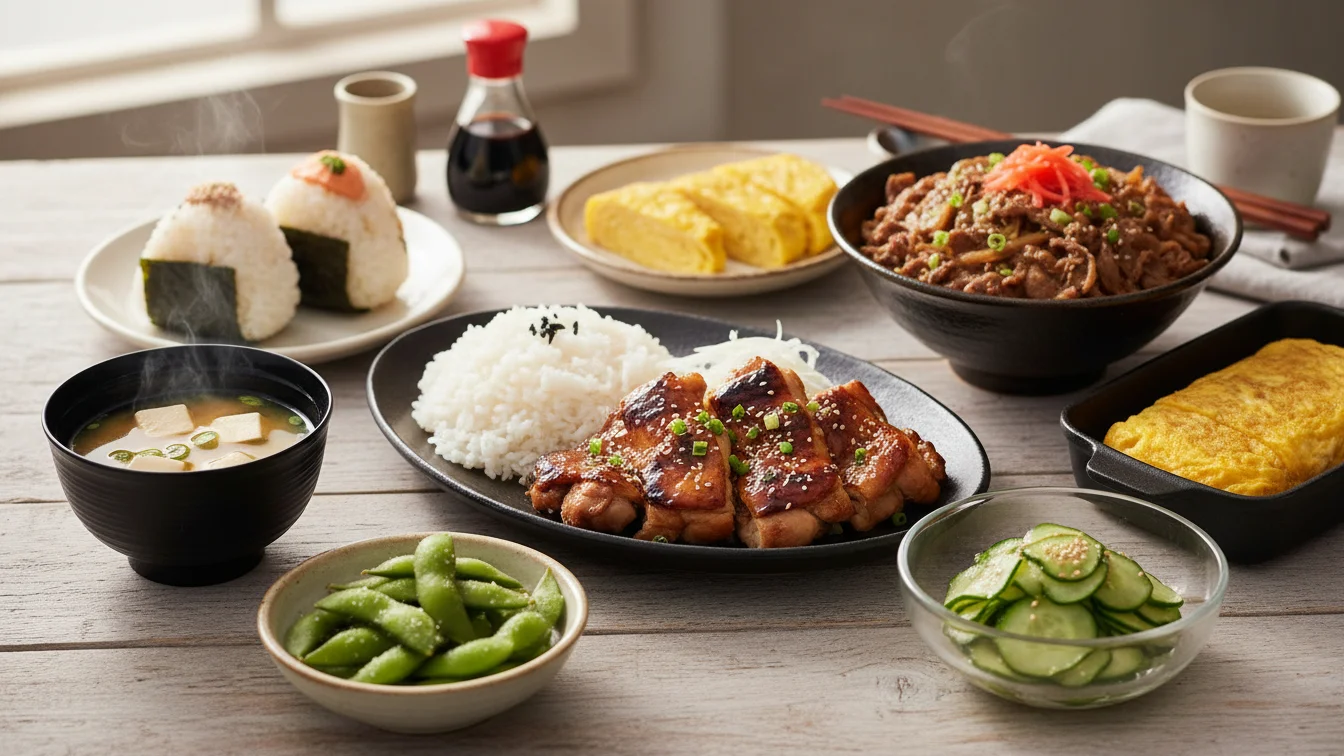
Must-try Japanese recipe ideas for beginners focus on simple techniques, balanced flavors, and easily available ingredients, much like a classic sloppy joe recipe or an easy carrot cake recipe that relies on straightforward steps and familiar pantry items. Japanese cooking is known for its clean taste, light seasoning, and comforting textures, making it approachable for anyone new to cooking. Dishes such as rice bowls, noodle soups, and quick stir-fries highlight umami-rich ingredients like soy sauce, miso, and mirin without complex skills, similar to how comfort foods build flavor simply.
For anyone starting out, beginner-friendly Japanese recipes are practical, quick, and adaptable to everyday meals, just like dependable classics such as a sloppy joe recipe for dinner or a homemade carrot cake recipe for dessert. Many can be prepared in under 30 minutes and work well for lunch or dinner. They focus on fresh ingredients, simple presentation, and reliable results, helping new cooks gain confidence while learning techniques useful across many cuisines.
Ingredients (Serves 2–3)
- 1 lb ground beef
- 1 small onion, finely chopped
- 2 cloves garlic, minced
- ¾ cup tomato sauce or ketchup
- 1 tablespoon tomato paste
- 1 tablespoon Worcestershire sauce
- 1 tablespoon brown sugar
- 1 teaspoon mustard
- Salt and black pepper, to taste
- 4–6 hamburger buns
- Optional: red pepper flakes or hot sauce
Step-by-Step Instructions
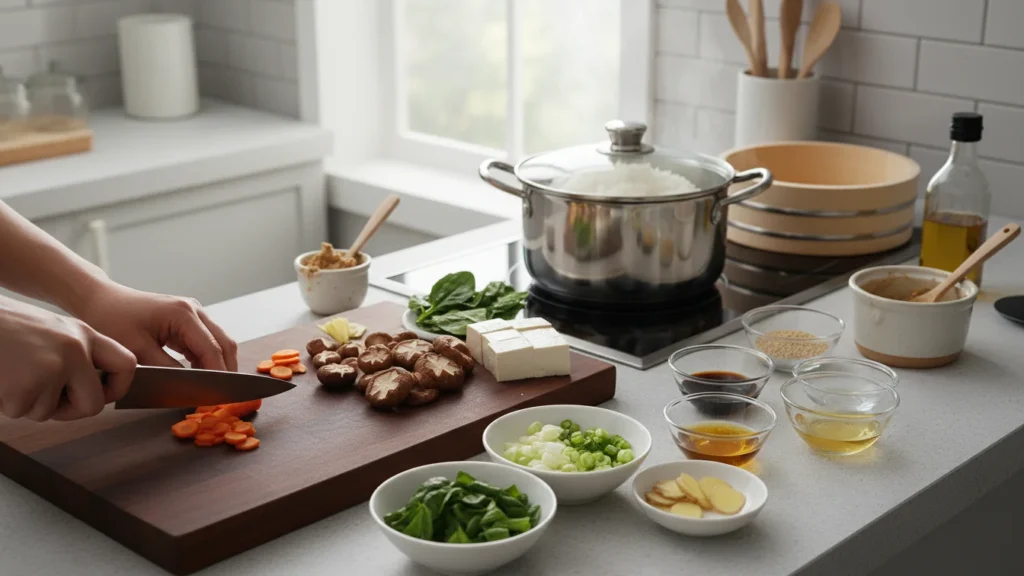
Step 1: Prepare Ingredients
Wash and cut all vegetables into small, even pieces for quick cooking. Measure sauces like soy sauce, mirin, or miso in advance. Cook rice if the recipe includes it, keeping it warm and fluffy. Keep ingredients close to the stove for smooth cooking. Japanese recipes move fast, so prep matters. This step ensures balance and clean flavors.
Step 2: Heat the Pan
Place a pan over medium heat and add a small amount of oil. Let the pan warm gently, not smoking hot.
Japanese cooking uses controlled heat for better texture. Add aromatics like garlic or ginger if required.
Stir lightly to release aroma. Avoid browning too aggressively.
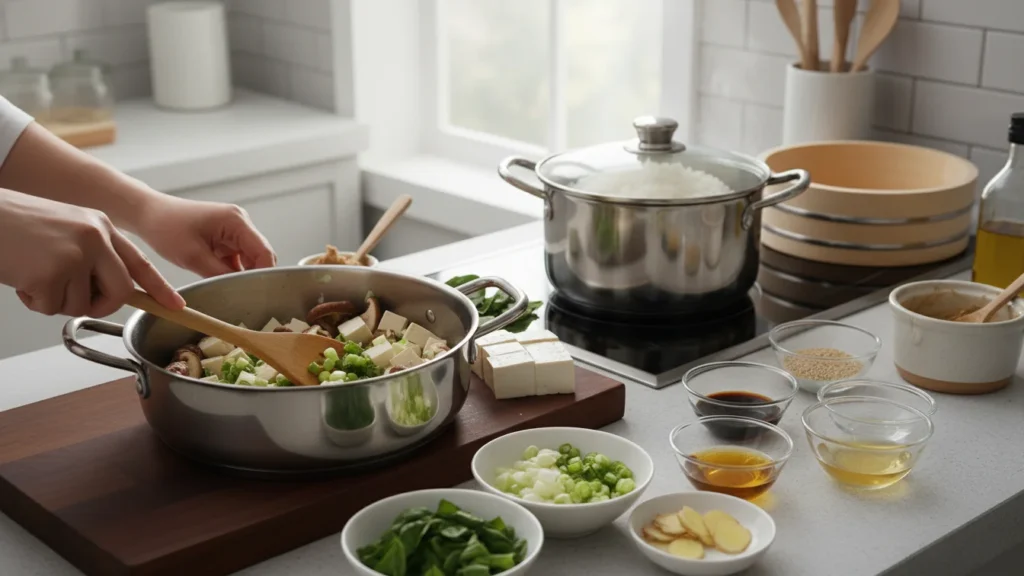
Step 3: Cook the Main Ingredient
Add protein such as chicken, tofu, or vegetables to the pan. Cook evenly, turning gently to keep pieces intact. Season lightly at this stage. Japanese dishes build flavor gradually. Cook until just done, not overcooked. Remove excess moisture if needed.
Step 4: Add Seasoning
Pour in soy sauce, miso, or broth carefully. Stir slowly to coat everything evenly. Let flavors simmer, not boil hard. This creates umami without overpowering taste. Taste and adjust lightly. Balance is key in Japanese cooking.
Step 5: Finish and Rest
Lower the heat and let the dish settle briefly. This helps flavors blend naturally. Add final touches like sesame oil or green onions. Avoid heavy garnishing. Keep presentation clean and simple. Serve immediately for best texture.
Step 6: Serve and Enjoy
Plate neatly with rice or noodles. Japanese meals value visual calm and harmony. Serve warm, not piping hot. Enjoy the light, comforting flavors. This method works for many beginner recipes. Simple steps, consistent results.
Nutrition Information (Per Serving)
- Calories: ~420 kcal
- Protein: ~24 g
- Carbohydrates: ~36 g
- Fat: ~20 g
- Saturated Fat: ~8 g
- Fiber: ~3 g
- Sugar: ~10 g
- Sodium: ~780 mg
- Cholesterol: ~70 mg
Conclusion
This recipe delivers a satisfying balance of flavor, texture, and comfort, making it a reliable choice for everyday meals or casual gatherings. With simple ingredients and clear steps, it’s easy to prepare yet rich enough to feel special. Whether served fresh or enjoyed as leftovers, it offers consistent results, great taste, and the kind of homemade appeal that keeps everyone coming back for more